|
||||||||||||||
        |
||||||||||||||
|
Mission Elapsed Time
CRISM Downloads CRISM View
JCAT
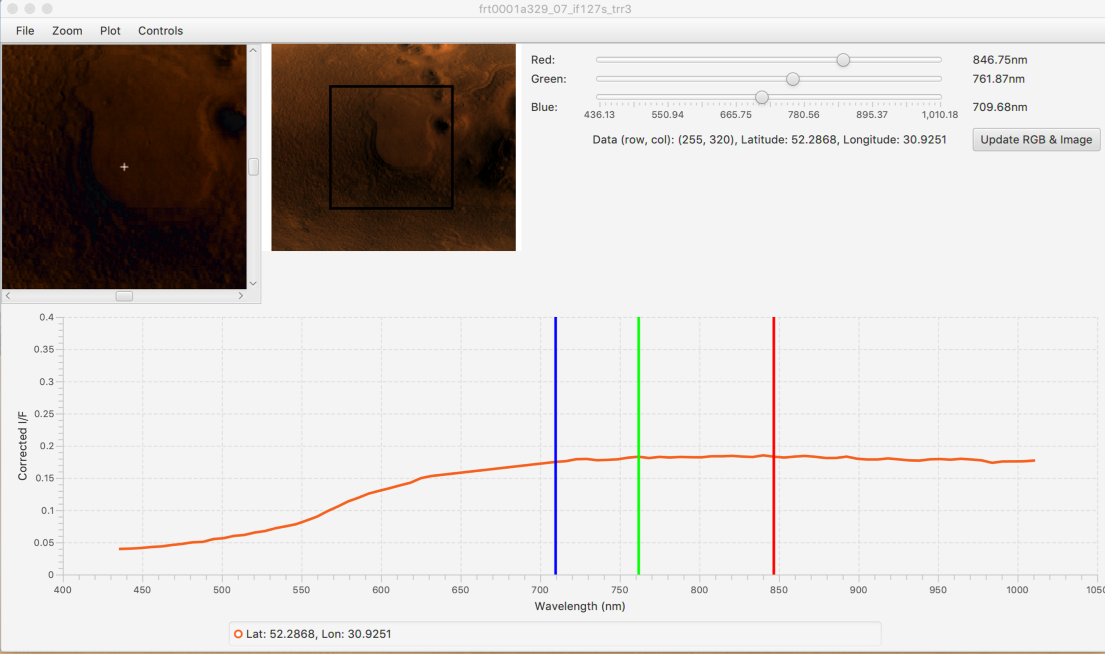
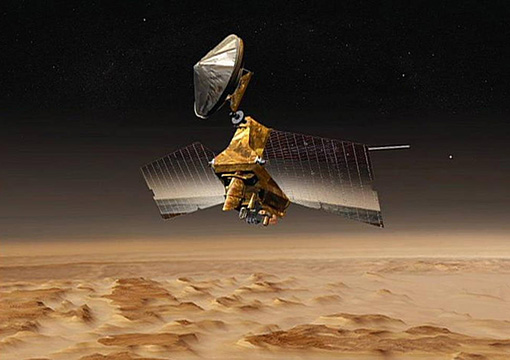
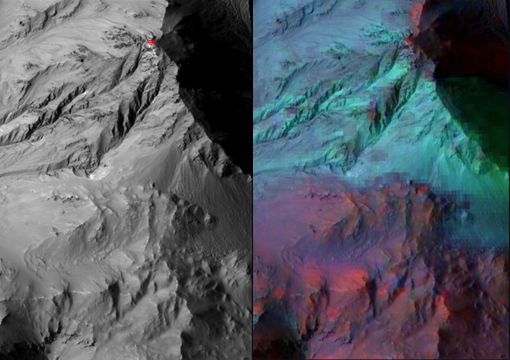
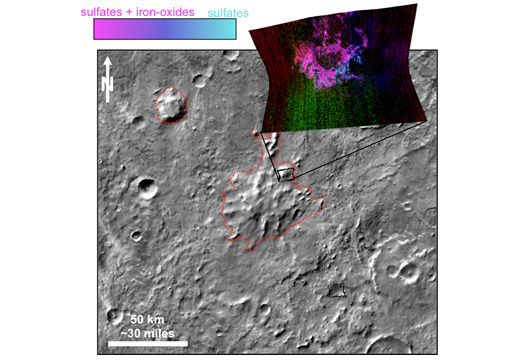
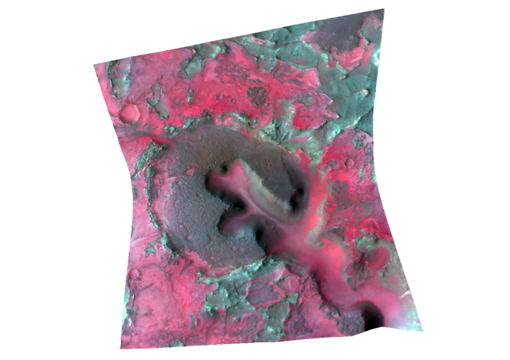
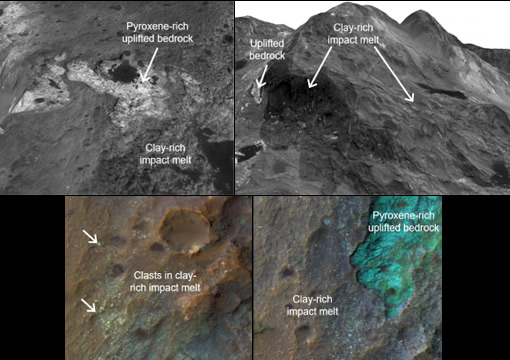
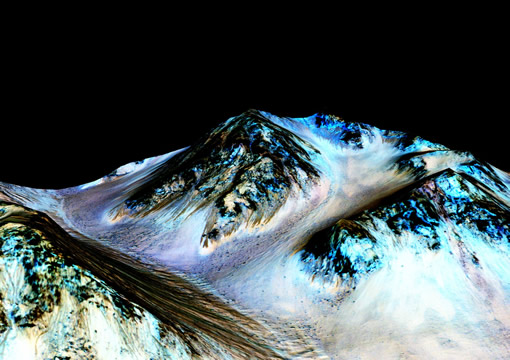
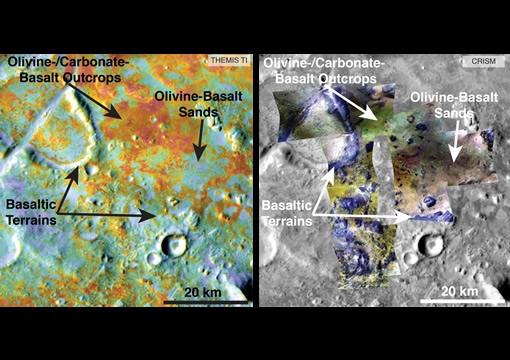
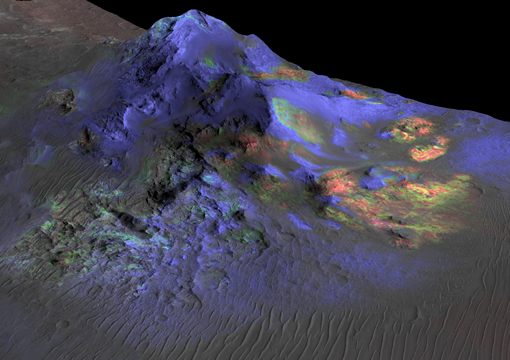
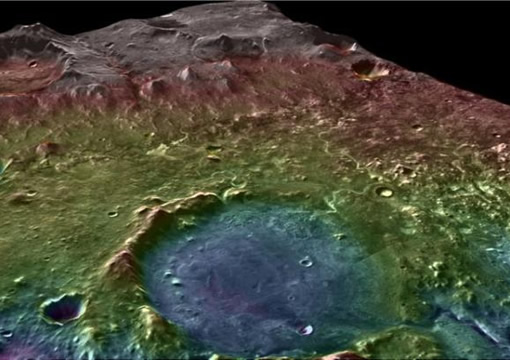
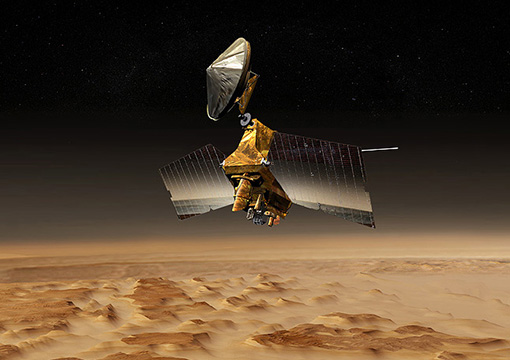
What is CRISM? The Compact Reconnaissance Imaging Spectrometer for Mars (CRISM) is 1 of 6 science experiments on the Mars Reconnaissance Orbiter, which takes measurements of both the surface and the atmosphere of Mars. CRISM data are used to find minerals’ spectral signatures on Mars. Different minerals form in different settings, ranging from ancient lakes and deltas to volcanic lava flows. We use the mineral evidence to understand how different geologic processes have shaped the planet over time. CRISM also observes the polar ice caps and atmosphere to understand seasonal and year-to-year variations in the Martian weather. |
Featured Images
Latest NewsFebruary 9, 2018 January 11, 2018 July 29, 2016 June 15, 2016 May 3, 2016 March 17, 2016 Team Profiles
CRISM Spectral LibraryThe MRO CRISM Spectral Library is an analysis tool for interpreting CRISM data. it currently contains 2,260 spectral analyses of 1,134 Mars-analog samples, all measured under desiccating conditions so that materials that adsorb water look as they would on Mars. This was made avaialble to the community through the PDS on the day that MRO entered Mars orbit! |
The MICA Files » 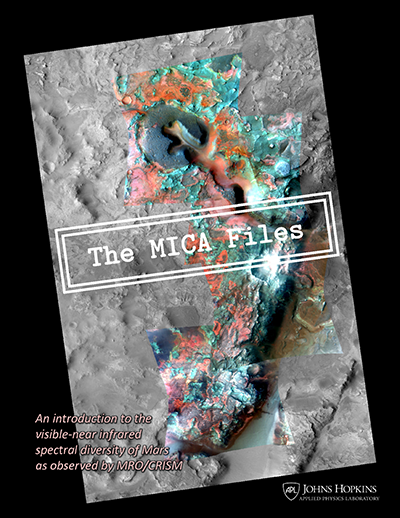
The MICA Files is a compilation of published descriptions and type locations of unique spectral features identified on Mars by using data from CRISM. Learn more » CRISM Quickmap
Revealing Questions What is the difference between hyperspectral and multispectral images?The difference is a little fuzzy. In general, a hyperspectral image has many tens to hundreds of different colors, whereas a multispectral image can have a few to a few tens of colors. For CRISM, hyperspectral generally refers to images with hundreds of wavelengths, all the way through all 544, whereas multispectral refers to images with tens of wavelengths (usually 72) across both detectors. CRISM Facts CRISM was built and managed at the Johns Hopkins University / Applied Physics Laboratory in Laurel, Maryland. |
||||||||||||